How to look after your garden
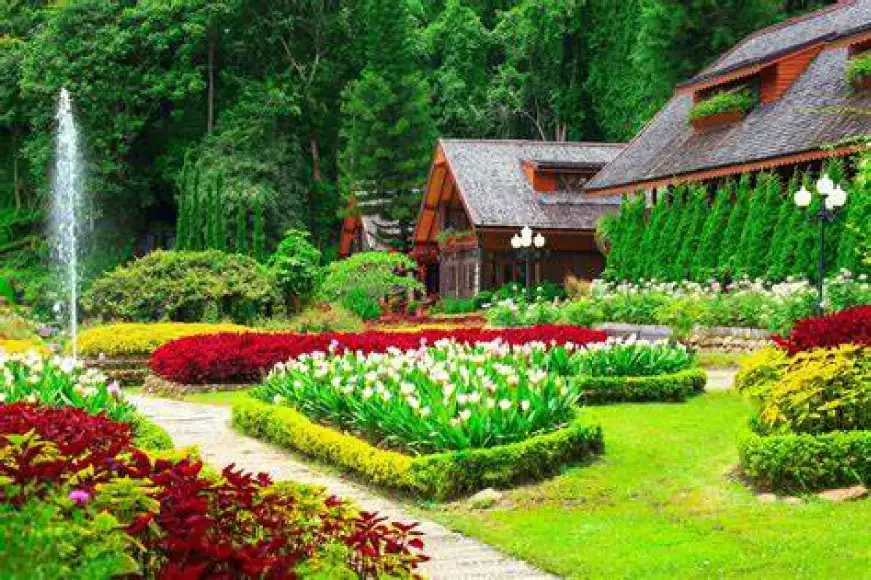
Looking after a garden can be incredibly rewarding! Here's a comprehensive guide to help you maintain a healthy and beautiful garden:
Basic Care
- Watering: Ensure your plants get enough water, especially during dry spells. Early morning or late afternoon is the best time to water.
- Weeding: Regularly remove weeds to prevent them from competing with your plants for nutrients and water.
- Mulching: Apply a layer of mulch around plants to conserve moisture, reduce weeds, and improve soil health.
- Fertilizing: Use organic or synthetic fertilizers to provide essential nutrients. Follow the recommended guidelines for each plant type.
- Pruning: Trim dead or overgrown branches to encourage new growth and maintain the shape of your plants.
Seasonal Tasks
- Spring: Start planting seeds and young plants. Prune shrubs and trees to remove dead or damaged branches.
- Summer: Keep up with watering and mulching. Watch for pests and diseases, and treat them promptly.
- Autumn: Harvest fruits and vegetables. Clear fallen leaves and compost them. Plant bulbs for spring flowers.
- Winter: Protect delicate plants from frost with cloches or fleece. Clean and sharpen garden tools.
Special Tips
- Companion Planting: Some plants grow better together. For example, basil can deter pests from tomatoes.
- Pest Control: Use natural remedies like neem oil or introduce beneficial insects like ladybugs to control pests.
- Soil Health: Test your soil periodically and amend it with compost or other organic matter to improve fertility.
Enjoy your time in the garden—it’s a great way to unwind and connect with nature! ???? What kind of plants are you growing?
how to look after your garden
Looking after a garden is a wonderful way to connect with nature! Here are some key tips to ensure your garden thrives:
Daily Care
- Watering: Early morning or late afternoon is the best time to water your plants, as it helps prevent evaporation and ensures the roots get enough moisture.
- Weeding: Regularly remove weeds to stop them from competing with your plants for nutrients and water.
- Mulching: Applying mulch around your plants helps to retain moisture, suppress weeds, and improve soil health.
- Fertilizing: Use organic or synthetic fertilizers as recommended for your specific plants. Follow the guidelines on the packaging for best results.
- Pruning: Trim dead or overgrown branches to encourage new growth and maintain the health and shape of your plants.
Seasonal Tasks
- Spring: Plant new seeds and young plants. Prune shrubs and trees to remove any dead or damaged branches.
- Summer: Keep up with watering, mulching, and watch for pests and diseases. Treat any issues promptly.
- Autumn: Harvest fruits and vegetables, and compost fallen leaves. Plant bulbs for spring flowers.
- Winter: Protect delicate plants from frost by covering them with cloches or fleece. Clean and sharpen your garden tools for the next season.
Special Tips
- Companion Planting: Pairing certain plants together can help them thrive. For example, basil can help deter pests from tomatoes.
- Pest Control: Use natural remedies like neem oil or introduce beneficial insects like ladybugs to keep pests at bay.
- Soil Health: Regularly test your soil and amend it with compost or other organic matter to maintain fertility.
Gardening is a journey, and with a little care and attention, your garden will flourish. ???? What kinds of plants or flowers are you planning to grow?
Comments
No posts found
Write a review