The Ultimate Guide to Choosing the Best Pop Up Beach Tent in 2026
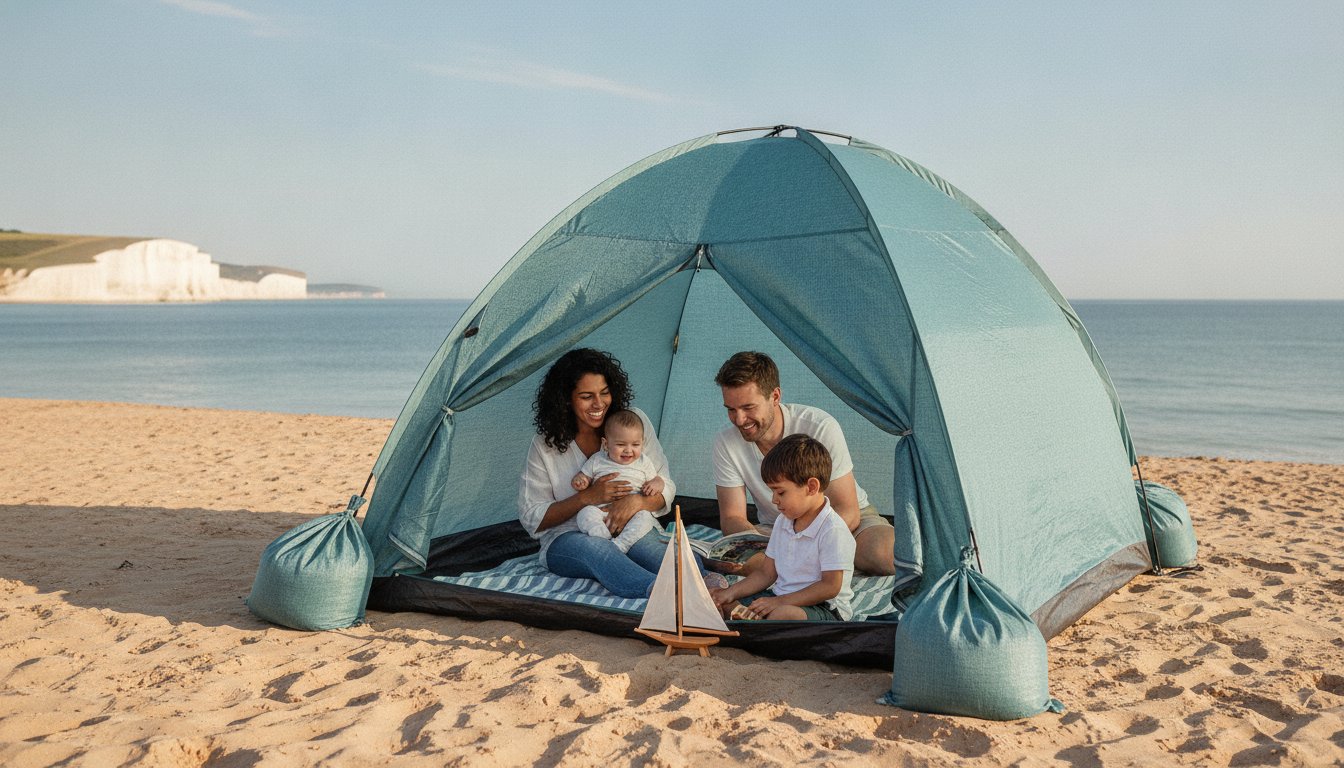
Imagine arriving at the coast only to spend forty minutes wrestling with fibreglass poles whilst your children sprint towards the waves. It's a common frustration that can ruin a sunny morning before it's even begun. Seaside trips should be about relaxation, not engineering challenges. This guide shows you how to select the perfect pop up beach tent for your 2026 adventures, ensuring you get maximum UV protection and a setup that takes seconds.
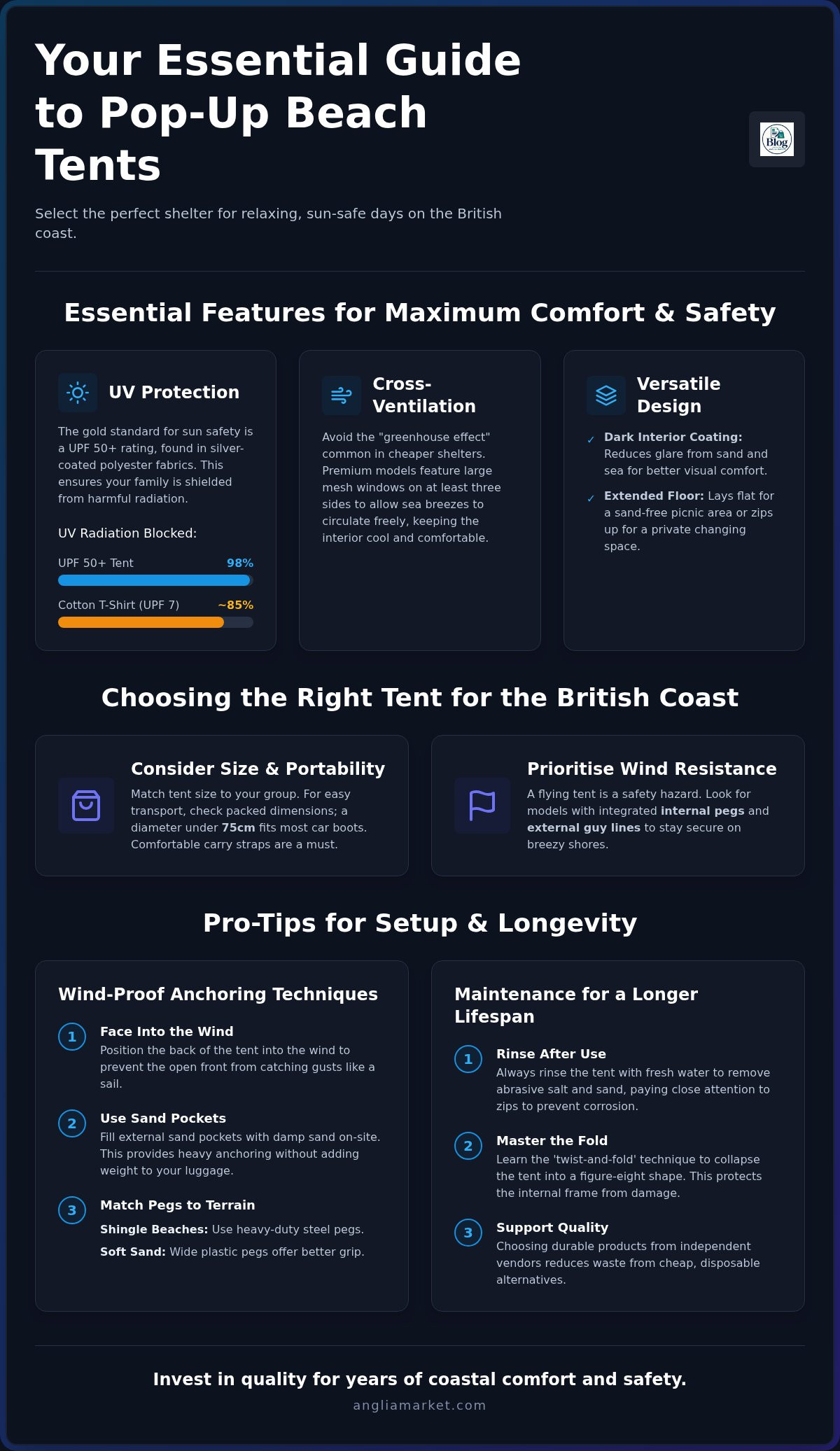
We'll explore essential features like UPF 50+ ratings that block 98% of rays; this is far superior to a standard cotton t-shirt which might only offer a UPF of 7. You'll learn about reliable wind-anchoring for coastal gusts and compact designs that fit easily into a standard car boot. We'll also highlight how to find quality gear from independent UK vendors in our Sport & Leisure category to keep your family safe.
Key Takeaways
- Identify why UPF 50+ ratings and silver-coated polyester are the gold standard for blocking 98% of harmful UV radiation.
- Select a pop up beach tent that offers the perfect balance of family-sized space and compact portability for easy transport in a standard car boot.
- Evaluate the best wind-anchoring features and strap designs to ensure your shelter remains secure and comfortable to carry along the British coast.
- Extend the life of your equipment with simple salt-water maintenance tips whilst supporting independent British vendors through the Sport & Leisure category.
Understanding the Essential Features of a Pop Up Beach Tent
A pop up beach tent differs from traditional shelters or umbrellas through its integrated frame system. Unlike heavy umbrellas that require deep sand anchoring or pole-based tents that demand complex assembly, these designs spring into shape instantly. Understanding Pop-up canopy materials and construction is vital for ensuring your gear survives multiple seasons. Experts prefer silver-coated polyester because it provides a reliable UPF 50+ rating; this blocks at least 98% of UV radiation. This specific fabric ensures your family stays protected whilst enjoying the British sunshine.
Heat buildup is a frequent issue with cheaper shelters. Without adequate cross-ventilation, a tent quickly becomes a "greenhouse". Premium models include large mesh windows on at least three sides. These allow sea breezes to circulate freely, keeping the interior temperature comfortable even on the hottest July afternoons. You can find these high-spec options by browsing independent vendors in our Sporting Goods section.
The Balancing Act: UV Protection Versus Breathability
Mesh panels provide vital airflow whilst keeping sand and insects out of your sheltered space. For the best visual comfort, choose a model with a dark interior coating. This style reduces glare from the sand and sea, making it easier to read or for children to nap. Many versatile designs also feature extended floors. These zip up to provide a private changing area or lay flat to create a clean, sand-free zone for picnics. This combination of privacy and protection makes the modern pop up beach tent a superior choice for coastal trips.
How to Choose the Right Tent for the British Coast
Selecting the right pop up beach tent starts with your group size. A compact 2-person shelter is ideal for couples. Larger family-sized cabanas provide enough room for children, cool boxes, and chairs. Portability is equally vital. Check the packed dimensions before buying; a diameter under 75cm fits easily into most standard car boots. Look for a carry bag with wide, comfortable straps to make the walk from the car park painless.
Stability remains the biggest challenge on breezy UK shores. Following official sun safety guidance means staying under cover during peak hours. A flying tent isn't just annoying; it's a safety hazard. Prioritise models featuring internal pegs and external guy lines. These features ensure your base stays secure even when the wind picks up. You can find a variety of wind-resistant models from independent UK sellers in our Sporting Goods section.
Anchoring Techniques for Wind-Resistant Beach Days
Proper setup is the difference between a relaxing afternoon and a stressful one. Always face the back of the tent into the wind. This prevents the open front from acting like a sail and lifting the structure. Use external sand pockets by filling them with damp sand on-site; this provides heavy anchoring without adding weight to your luggage. Match your pegs to the terrain. Heavy-duty steel pegs are essential for shingle beaches, whilst wide plastic pegs offer better grip in soft, dry sand.
Maximising Value and Longevity for Your Beach Gear
Buying a pop up beach tent is an investment in your outdoor comfort. To ensure your gear lasts for many summers, a simple maintenance routine is essential. Salt water and fine sand are naturally abrasive. Always rinse your tent with fresh water after returning from the coast. Pay close attention to the zips; salt-water corrosion can seize them within days if left untreated. Wiping the fabric prevents salt crystals from degrading the UV-resistant coating over time.
Mastering the "twist and fold" technique for your pop up beach tent is the best way to protect the internal spring-steel frame. Most damage occurs when users try to force the tent back into its bag. Instead of using brute strength, follow the natural tension of the frame to create a figure-eight shape. This avoids bending the steel permanently. Choosing durable products from independent sellers also offers significant environmental benefits. A high-quality shelter that lasts for several seasons reduces the waste associated with disposable, low-grade alternatives.
Why Discover Your Next Beach Tent on Anglia Market?
Finding the right equipment is simple when you shop from a diverse range of independent UK vendors in one trusted location. Our platform makes it easy to support small businesses whilst securing the best gear for your family. You can browse the Sport & Leisure category for coordinated accessories like sand-resistant blankets and insulated coolers. Don't forget to check our promotions page for seasonal deals on summer essentials. This ensures you get excellent value without compromising on the quality of your coastal setup.
Prepare for Your Best Coastal Summer Yet
Choosing the right pop up beach tent is the first step towards a stress-free day at the seaside. By prioritising UPF 50+ protection and efficient cross-ventilation, you ensure your family stays cool and shielded from 98% of UV rays. Stability is crucial on the British coast; always use sand pockets and guy lines to secure your shelter against sea breezes. Simple maintenance, like rinsing off salt water, keeps your gear in top condition for years.
Anglia Market is a marketplace built for the UK, supporting independent British businesses. You'll find quality products and a convenient shopping experience on our platform. Shop the full range of beach and outdoor gear on Anglia Market to upgrade your setup today. Enjoy the sunshine with confidence.
Frequently Asked Questions
Is a pop up beach tent better than a traditional beach umbrella?
A pop up beach tent is often superior because it provides 360-degree protection from wind, sand, and side-glare. Whilst umbrellas only shade a small area directly beneath them, a tent creates a stable, private base for the whole family. Many models feature UPF 50+ fabric, which blocks 98% of UV rays, offering a more reliable shield during peak sunshine hours.
How do I stop my pop up beach tent from blowing away in high winds?
To prevent your pop up beach tent from blowing away, always fill the external sand pockets with damp sand as soon as you arrive. This adds significant weight without requiring extra luggage. You should also use guy lines and heavy-duty steel pegs for shingle or firm ground. Positioning is vital; ensure the back of the shelter faces the wind to avoid it lifting.
Can I use a pop up beach tent for camping overnight?
You shouldn't use a pop up beach tent for overnight camping. These shelters are designed specifically for sun protection and lack the hydrostatic head rating required to keep you dry during heavy rain. Overnight camping on most UK beaches is illegal without explicit permission from the landowner. For day trips, however, they remain the perfect solution for a comfortable and safe coastal base.
How do I fold a pop up beach tent back into its carry bag?
Folding a pop up beach tent requires a specific "twist and fold" motion rather than brute force. Start by collapsing the tent flat and bringing the top and bottom edges together. Twist the frame into a figure-eight shape and fold the circles over each other. This allows the internal spring-steel frame to coil naturally into its circular carry bag without causing any structural damage.

Here to help — ask anything
For questions about this disclaimer or the site, contact us via the website’s Contact page.
No posts found
Write a review