The Rise of Independent UK Online Marketplaces in 2026
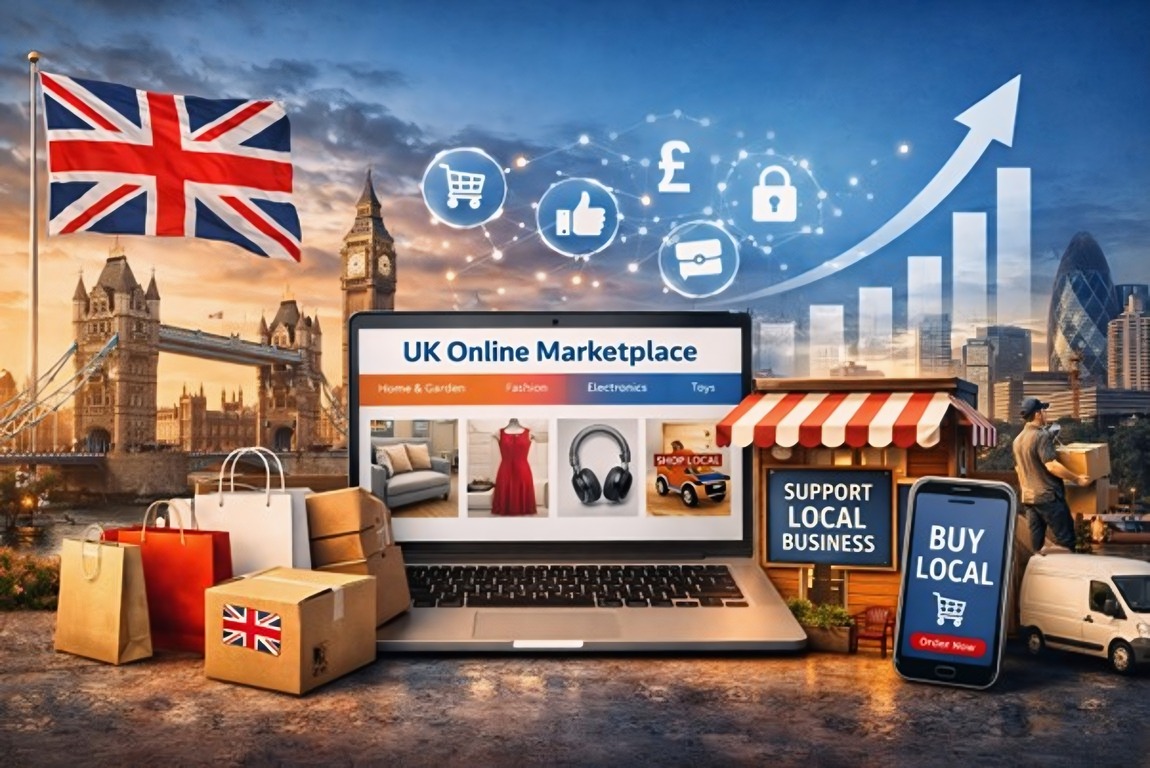
The UK ecommerce landscape is changing. While global giants like Amazon and eBay continue to dominate headlines, a quieter but powerful shift is happening behind the scenes — the rise of independent UK online marketplaces.
More British shoppers are actively searching for alternatives that offer competitive prices, support local sellers, and provide a more community-driven shopping experience. At the same time, small and medium-sized UK businesses are looking for platforms that don’t bury them under intense competition or high fees.
So why are independent marketplaces gaining momentum in 2026? And what does this mean for shoppers and sellers alike?
Let’s explore.
Why UK Shoppers Are Looking Beyond Global Giants
Over the past decade, online shopping has become second nature in the UK. However, consumer priorities are shifting. Today’s buyers increasingly value:
- Supporting UK-based businesses
- More transparent seller relationships
- Competitive pricing without inflated marketplace fees
- Unique and niche products
- Ethical and local commerce
Large platforms offer convenience — but they can feel impersonal. Independent UK marketplaces are capitalising on this gap by positioning themselves as accessible, locally focused alternatives.
Search interest for terms like “UK online marketplace,” “British ecommerce platforms,” and “Amazon alternatives UK” has steadily increased as consumers explore new options.
What Defines an Independent UK Online Marketplace?
An independent UK marketplace typically:
- Operates with a UK-centric audience in mind
- Hosts multiple third-party sellers
- Offers diverse product categories
- Provides localised customer service
- Competes on value and accessibility
Unlike single-retailer ecommerce websites, marketplaces connect buyers and independent sellers in one ecosystem — but on a smaller, often more curated scale than global corporations.
Examples of emerging UK-focused marketplaces include platforms like AngliaMarket and other regionally oriented ecommerce hubs that prioritise British vendors and buyers.
The Benefits for UK Sellers
For small businesses, independent marketplaces present a compelling opportunity.
1. Lower Barrier to Entry
Many independent platforms offer simpler onboarding processes compared to larger marketplaces.
2. Reduced Competition Saturation
Global platforms often mean competing against thousands of identical listings. Smaller marketplaces can provide better visibility for new sellers.
3. Local Brand Positioning
Selling on a UK-focused marketplace reinforces local credibility and can attract shoppers intentionally seeking British suppliers.
4. Diversified Revenue Streams
Relying solely on Amazon or eBay creates risk. Independent marketplaces allow sellers to spread exposure across multiple channels.
In 2026, ecommerce resilience is about diversification — and independent platforms are playing a key role in that strategy.
The Appeal for Modern UK Shoppers
Consumers are also driving this growth. Independent marketplaces often offer:
- Competitive pricing from smaller vendors
- Niche or hard-to-find products
- Personalised customer experiences
- Greater seller transparency
- The opportunity to support UK businesses
As economic pressures influence purchasing decisions, buyers are comparing options more carefully. Many are discovering that smaller marketplaces can offer comparable value without defaulting to the biggest platforms.
Technology Is Levelling the Playing Field
One reason independent marketplaces are thriving is improved ecommerce infrastructure.
Modern platforms now have access to:
- Secure payment gateways
- Integrated logistics tools
- Automated inventory management
- Scalable cloud hosting
- Marketplace management software
These advancements make it easier than ever to build and maintain a competitive online marketplace without the budget of a tech giant.
The playing field is no longer limited to corporations with billion-pound valuations.
Challenges Independent Marketplaces Face
Growth doesn’t come without hurdles.
Independent UK online marketplaces must overcome:
- Brand awareness limitations
- Trust-building with new customers
- Logistics and delivery expectations
- Customer service scalability
- Competing with aggressive pricing models
Success depends on transparency, strong seller vetting, clear return policies, and consistent customer experience.
Those that prioritise these fundamentals are more likely to earn long-term loyalty.
What the Future Holds for UK Ecommerce
The rise of independent marketplaces signals a broader shift in ecommerce behaviour:
- Consumers want more choice.
- Sellers want fairer competition.
- Brands want diversified platforms.
Rather than replacing global giants, independent UK marketplaces are carving out their own space — offering alternatives that balance scale with community focus.
In 2026 and beyond, we can expect:
- Increased growth of niche and regional marketplaces
- Stronger emphasis on “shop local” digital campaigns
- Hybrid models combining marketplace and direct-to-consumer selling
- Continued innovation in payment security and delivery networks
The UK ecommerce ecosystem is becoming more diverse — and that diversity benefits everyone.
Final Thoughts
The rise of independent UK online marketplaces represents more than a trend. It reflects a shift in consumer values and seller strategy.
As shoppers seek local alternatives and businesses diversify beyond global platforms, independent marketplaces are gaining traction as credible, competitive ecommerce destinations.
For buyers, this means more choice and the opportunity to support UK sellers. For businesses, it means new avenues for growth in an increasingly competitive digital economy.
The future of UK ecommerce isn’t just bigger — it’s broader.
No posts found
Write a review