How to Start an Online Boutique in the UK: A 10-Step Guide
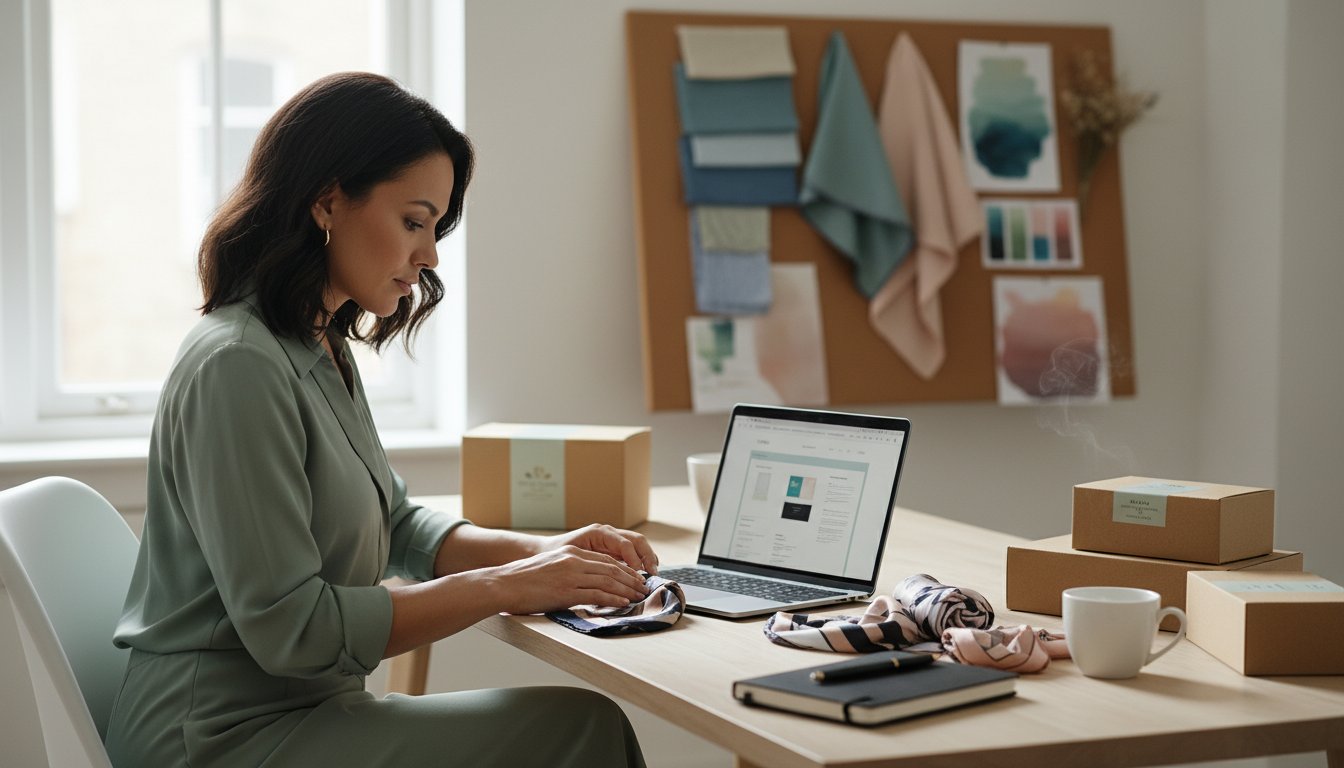
Dreaming of launching your own online store but feeling stuck before you've even started? The initial excitement of a new business idea can quickly get bogged down by confusing UK tax rules, the challenge of finding reliable suppliers, and the sheer number of e-commerce platforms to choose from. If you're looking for clear, practical advice on how to start an online boutique in the UK, you're in exactly the right place.
Forget the overwhelm. This guide is your complete roadmap, designed for aspiring UK entrepreneurs just like you. We've created a straightforward, 10-step checklist to guide you through every single stage. From discovering a profitable niche and registering your business correctly with HMRC to choosing the best sales platform and marketing your launch, we've got you covered. Consider this your practical plan for turning that brilliant idea into a successful and profitable UK online boutique.
Key Takeaways
- Discover why choosing a profitable niche before you pick a name is the most critical first step to standing out in the crowded UK market.
- Understand the crucial UK legal differences between operating as a sole trader and a limited company to protect your new business from day one.
- This guide breaks down the pros and cons of key decisions, from product sourcing models to choosing a sales platform, simplifying how to start an online boutique uk.
- Learn how to master product photography and write compelling descriptions with just your smartphone, ensuring a professional and successful launch.
Table of Contents
- Step 1 & 2: Define Your Niche and Create a Solid Business Plan
- Step 3 & 4: Handle the Legalities and Sort Your Finances
- Step 5 & 6: Source Your Products and Build Your Brand
- Step 7 & 8: Choose Your Selling Platform and Set Up Your Store
- Step 9 & 10: Master Product Presentation and Launch Your Boutique
Step 1 & 2: Define Your Niche and Create a Solid Business Plan
Before you think about a catchy name or a logo, the most critical first step is defining your niche. The UK e-commerce market is competitive. A focused niche is your best tool to stand out. Instead of selling "women's clothing," consider "sustainable maternity wear" or "vintage-inspired dresses for petite women." This focus helps you attract a loyal customer base and makes your marketing efforts far more effective. A clear niche is the foundation of learning how to start an online boutique uk
successfully. Once you have your niche, you need a roadmap. For a practical look at getting started, this video offers a step-by-step walkthrough:
Finding Your Profitable Niche
Your niche should be at the intersection of your passion and market demand. A profitable idea doesn't just sound good-it has customers ready to buy. Here’s how to find it:
- Start with your interests. Are you passionate about eco-friendly products, handmade jewellery, or specific fashion aesthetics? Your expertise will shine through.
- Validate demand. Use free tools like Google Trends to see if people in the UK are searching for your product ideas. Look for stable or rising interest.
- Analyse competitors. Search for similar boutiques on Instagram, Etsy, and other marketplaces. What are they doing well? Where is there a gap you can fill?
- Identify a unique angle. Find an underserved audience (e.g., clothing for taller women) or a unique product feature (e.g., customisable pet accessories).
Crafting Your One-Page Business Plan
A business plan doesn't need to be a 100-page document. A simple one-page summary is enough to guide your decisions. It’s your private checklist for success. Cover these key points:
- Target Customer: Be specific. Who are they? Where do they live in the UK? What are their interests? Example: "Millennial women in UK cities, aged 25-35, who value ethical production and minimalist design."
- Product Range & Pricing: List your initial 5-10 products and their target price points. A good understanding online retail dynamics will help you price competitively while ensuring profit. Example: "Linen tote bags at £35, ceramic mugs at £18."
- First-Year Financial Goals: Set a realistic target. Example: "Achieve £8,000 in sales in the first 12 months with a 40% profit margin."
- Key Marketing Channels: Where will you find your customers? Don't try to be everywhere. Example: "Primary focus on Instagram Reels and building an email list. Secondary focus on Pinterest."
Step 3 & 4: Handle the Legalities and Sort Your Finances
Once you have a great idea, the next step is building a solid foundation. Getting the legal and financial aspects right from day one is a crucial part of how to start an online boutique uk successfully. This ensures you are operating legally and protects you as you grow.
Choose Your UK Business Structure
In the UK, you must register your business. The two most common structures for a new online boutique are:
- Sole Trader: The simplest and quickest way to get started. You and your business are one legal entity, meaning you are personally liable for any debts. You register with HMRC for Self Assessment.
- Limited Company (Ltd): This creates a separate legal entity from you, protecting your personal assets (like your home). It has more reporting requirements and you must register with Companies House.
Choosing the right structure depends on your personal circumstances and goals. For the most up-to-date registration details, always check the official government guidance. It’s also wise to open a separate business bank account to keep your personal and boutique finances completely separate.
Create a Realistic Startup Budget
Understanding your costs is essential. Your budget will have one-time setup costs and ongoing recurring expenses. Planning for these helps you set prices and manage cash flow effectively.
One-Time Costs:
- Company registration (if applicable)
- Branding and logo design
- Website design or theme purchase
- Initial stock purchase
Recurring Costs:
- E-commerce platform fees (e.g., Shopify, Anglia Market)
- Marketing and advertising spend
- Packaging and shipping supplies
- Payment processing fees
Here are some estimated startup costs for a UK boutique:
| Item | Estimated Cost (GBP) |
|---|---|
| Company Registration (Ltd) | £12 - £50 |
| Initial Stock Investment | £500 - £3,000+ |
| E-commerce Platform Fees | £25 - £75 / month |
| Marketing Budget | £50 - £250+ / month |
Funding can come from personal savings, a small business loan, or a government-backed Start Up Loan.

Step 5 & 6: Source Your Products and Build Your Brand
Now we move to the core of your business: your products and your identity. These two elements work together to attract and retain customers. High-quality products give your brand credibility, while a strong brand story makes your products desirable. This dual focus is a key part of how to start an online boutique UK customers will love and trust.
Finding Reliable Suppliers
Your products are the promise you make to your customers, so quality and reliability are non-negotiable. There are several ways to source stock in the UK, each with its own advantages. Explore UK-based trade shows like the Spring Fair or online directories such as The Wholesaler UK to discover potential partners.
- Wholesale: Buying in bulk from a wholesaler is a popular model. It gives you control over your stock and branding but requires upfront investment in inventory.
- Dropshipping: With this model, a third party ships products directly to your customer. It’s low-risk, with no need to hold stock. However, profit margins are slimmer, and you have less control over shipping times and quality.
- Vetting Process: Before you commit, do your due diligence. Always order samples to assess quality firsthand. Check online reviews, confirm their business registration, and clarify all terms, including minimum order quantities (MOQs) and their returns process. A trustworthy supplier is a valuable asset.
Developing Your Brand Identity
Your brand is more than just a logo-it’s the entire perception of your company. It’s your story, your values, and the customer experience you provide. A strong, consistent brand builds trust and sets you apart from the competition.
First, choose a memorable name that reflects your niche and is easy to spell. The most important step is to check its availability. Is the .co.uk domain free? Are the social media handles on Instagram, TikTok, and Facebook available? If so, secure them immediately, even if you’re not ready to launch.
Next, define your visual style. You don’t need an expensive designer to start. Use a tool like Canva to create a simple, professional logo and establish a colour palette and font selection. This ensures your website, packaging, and social media posts all look cohesive and professional, building a recognisable identity from day one.
Step 7 & 8: Choose Your Selling Platform and Set Up Your Store
With your products sourced and your brand defined, it's time to build your shop. This is a critical decision that shapes how you reach customers and manage your business. The fundamental choice is between building your own website or joining an established online marketplace. This decision is a cornerstone of how to start an online boutique uk successfully, as it impacts everything from your marketing budget to your daily operations.
Option A: Your Own E-commerce Website
Building your own site with platforms like Shopify, Squarespace, or WooCommerce gives you complete control over your brand's look and feel. You own the customer relationship, allowing you to build a loyal following directly. However, this freedom means you are solely responsible for driving all traffic to your store through marketing. Initial setup and monthly fees can also be higher, often starting from around £25 per month plus transaction fees.
Option B: A UK Online Marketplace
Joining a UK marketplace like Anglia Market gives you instant access to a large, active customer base searching for quality products. It's an excellent, lower-risk way to test your boutique's appeal without the heavy upfront marketing costs. While you'll operate within the marketplace's rules and pay a commission on sales, the immediate exposure is a major advantage for new sellers. See how simple it is to start selling on Anglia Market.
Essential Store Setup Tasks
Whichever platform you choose, several setup tasks are non-negotiable for creating a trustworthy and professional online boutique. Focus on getting these right from day one to ensure a smooth customer experience:
- UK Shipping: Configure your delivery options and costs. Integrate with reliable couriers like Royal Mail or DPD to offer clear, competitive shipping rates across the UK.
- Secure Payments: Set up a payment gateway to accept credit/debit cards and other popular methods. Services like Stripe and PayPal are industry standards, offering secure shopping for your customers.
- Clear Policies: Write and display your returns, refunds, and privacy policies. Ensure your privacy policy is GDPR-compliant to build trust and meet UK legal requirements.
Getting these details right is key for any entrepreneur figuring out how to start an online boutique uk, as it shows customers you are a professional and reliable business.
Step 9 & 10: Master Product Presentation and Launch Your Boutique
You've sourced your products and built your digital storefront. Now it's time for the final, crucial steps: showcasing your items and officially launching your business. Excellent presentation turns browsers into buyers, and a smart launch plan drives those first, vital sales.
Creating Perfect Product Listings
Your product listings do the selling for you. You don't need a professional studio; a modern smartphone, good natural light from a window, and a plain background are all you need for bright, clear photos. Take shots from multiple angles and include at least one lifestyle image showing the product in use.
When writing descriptions, focus on benefits, not just features. This helps customers imagine the product in their lives.
- Feature: 100% Cotton T-Shirt
- Benefit: A soft, breathable t-shirt that keeps you cool and comfortable all day long.
Use relevant keywords in your titles and descriptions to help customers find you on search engines. Finally, be transparent with details like UK sizing charts, materials, and care instructions. This builds trust and helps reduce returns.
Your Go-To-Market Launch Plan
A successful launch starts before you go live. Build anticipation on your chosen social media channels with sneak peeks, behind-the-scenes content, and a launch date countdown. This creates an audience that is ready to shop on day one.
Consider a 'soft launch' to friends and family first to test your checkout and delivery process. For your public launch, a simple promotion like 10% off your first order or free UK delivery can provide a powerful incentive. The final piece of the puzzle for how to start an online boutique uk is building long-term momentum. Collect email addresses from the very beginning to build your marketing list and politely ask your first customers for reviews to build social proof. Once you're established, you can expand your reach on platforms like Anglia Market, connecting you with shoppers actively seeking quality products from independent UK businesses.
Your UK Boutique Awaits: Time to Launch
You now have the complete 10-step blueprint to turn your creative passion into a thriving business. Remember, success is built on solid foundations: a well-defined niche, a robust business plan, and all your legalities in order. From there, building a memorable brand and mastering your product presentation are what will set you apart. This guide has covered the essentials of how to start an online boutique uk, transforming a complex process into manageable actions.
The final, crucial step is choosing where to sell. Instead of starting from scratch, you need a partner dedicated to your success. Anglia Market is an online marketplace built specifically to support UK small and medium businesses just like yours. By joining our platform, you gain immediate access to a broad customer base from day one, all with straightforward and competitive commission fees designed to help you grow profitably.
Ready to start selling? Join a community of UK businesses on Anglia Market.
Your dream is within reach. Start your journey today!
Frequently Asked Questions
How much money do I need to start an online boutique in the UK?
Start-up costs can vary significantly. A lean budget might be £500-£1,500, covering initial stock, website fees (e.g., Shopify from £25/month), and basic branding. A larger budget of £3,000+ allows for more inventory, professional photography, and a small marketing spend. The key is to budget for essential costs first: your products, e-commerce platform, and quality packaging materials. This planning is a crucial first step when learning how to start an online boutique UK businesses can sustain.
Do I need to register for VAT when I first start?
No, you are not required to register for VAT when you first start your online boutique. In the UK, VAT registration is only mandatory once your VAT-taxable turnover for the last 12 months exceeds the current threshold, which is £90,000 (for the 2024/25 tax year). Most new boutiques will be well below this limit. Always check the official GOV.UK website for the most up-to-date threshold and information to ensure compliance as you grow.
Can I legally run an online boutique from my home in the UK?
Yes, you can absolutely run an online boutique legally from your home in the UK. However, it's wise to check a few things first. Review your mortgage or tenancy agreement for any clauses about running a business from the property. You will also need to inform your home insurance provider. For most small home-based boutiques storing stock, you will not need to pay business rates, but it's always best to confirm with your local council.
What is the best way to handle shipping and returns for a small boutique?
For a new UK boutique, using Royal Mail's Click & Drop service is an affordable and efficient starting point for shipping. As you grow, you can explore couriers like Evri or DPD for competitive rates. For returns, create a clear and simple policy on your website. Offer a 14 or 28-day return window and decide if you will cover return postage. Clear communication is key to building customer trust and managing expectations effectively.
How do I correctly price my products to make a profit?
A simple formula is a great start: (Cost of Goods + Expenses) x 2 = Wholesale Price, and Wholesale Price x 2 = Retail Price. This is known as keystone pricing. Remember to factor in all your costs, not just the product itself. Include packaging, payment processing fees, shipping costs, and a portion of your marketing budget. This ensures every sale is contributing to your profit and the sustainable growth of your boutique.
Is it better to sell on a marketplace like Anglia Market or build my own website?
This depends on your goals. Selling on a marketplace like Anglia Market gives you immediate access to a large, established customer base, which is fantastic for making your first sales. Building your own website with a platform like Shopify offers more brand control and higher profit margins long-term, but requires more marketing effort. Many sellers find success by starting on a marketplace to build momentum and then launching their own site, using both channels to grow.
No posts found
Write a review