How to Buy and Sell Online From Home: The Ultimate UK Guide
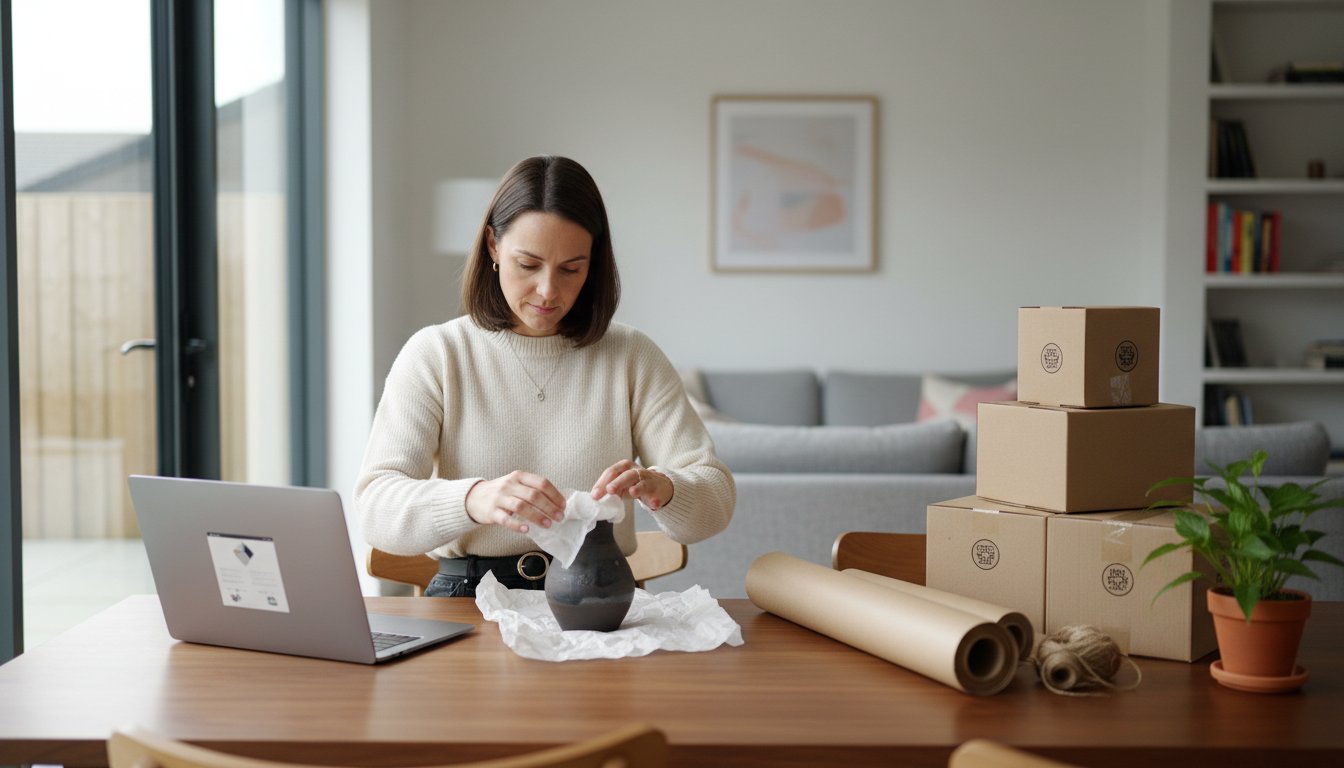
Ever spotted a bargain in a charity shop or looked at a spare room of clutter and thought, “I could sell that”? The idea of earning extra cash—or even a full-time income—from your kitchen table is incredibly appealing. But it’s easy to feel stuck. Where do you even begin? What products are actually profitable? And how do you navigate the confusing maze of shipping, platforms, and UK tax rules?
This guide is here to provide the answers. We’ll show you exactly how to buy and sell online from home with a clear, step-by-step plan designed for aspiring UK entrepreneurs. Forget the guesswork. We are breaking down everything you need to launch a successful reselling business, from finding your first profitable items to understanding your obligations with HMRC. By the end, you'll have the confidence and the practical roadmap to turn your idea into a thriving online venture.
Foundations: Setting Up Your Home E-commerce Business
Jumping into the world of e-commerce is exciting. The great news is that learning how to buy and sell online from home has never been more accessible, with low startup costs and the flexibility to fit around your life. Before you buy a single item to sell, however, a solid plan is your most valuable asset. Decide early on: is this a side hustle for extra income, or the start of a full-time business?
For a practical look at getting started in the UK, this video offers a great overview:
Choosing Your Niche
Success starts with selling the right products. Don't just chase trends; build a small inventory you can manage and grow. Focus on these key areas:
- Passion & Knowledge: Start with what you know. Are you an expert in vintage clothing, a keen gardener, or a craft hobbyist? Use your expertise to your advantage.
- Market Demand: Use tools like Google Trends or browse marketplaces like Anglia Market to see what's popular and where there might be gaps for a new seller.
- Size & Storage: Begin with small, lightweight items. They are cheaper to post and much easier to store in a spare room or cupboard.
- Profitability: Research your sourcing costs versus potential selling price. Look for products with a healthy profit margin after platform fees and postage.
UK Business Registration Basics
Once you start trading regularly to make a profit, you'll need to inform HMRC. It’s a crucial step in setting up your business correctly. Understanding what an online marketplace is and its rules is one thing, but your legal duties are another. If your trading income is over £1,000 in a tax year, you must register with HMRC. Most people start as a sole trader, which is the simplest structure. As a sole trader, you’ll pay tax through Self Assessment and may need to pay Class 2 and Class 4 National Insurance. Remember to keep clear records of all sales and expenses—this is essential for your tax return.
Disclaimer: This is for informational purposes only. Always consult a qualified accountant for financial advice.
Essential Tools and Workspace Setup
You don’t need a fancy warehouse to get started. A dedicated corner of your home is all it takes to begin learning how to buy and sell online from home. Here are the essentials:
- Workspace: Designate a clean, organised area for storing inventory and packing orders. A spare desk or a set of shelves is perfect.
- Basic Kit: You only need a few items: digital scales for weighing parcels, packing tape, a supply of boxes or mailers, and a basic printer for labels.
- Photography: Your smartphone is your most powerful tool. A good camera, combined with natural daylight, is all you need for professional-looking product photos.
- Tracking: Start with a simple spreadsheet to track your inventory, sales, costs, and profits.
The 'Buy' Phase: Sourcing Profitable Products to Resell
The secret to a successful resale business isn't just selling—it's buying smart. Sourcing is the most critical skill you'll develop. The goal is simple: buy low and sell high, consistently. This means training your eye to spot undervalued items everywhere, from a dusty shelf to an online clearance page. Remember to start with small, affordable finds and reinvest your profits to grow your inventory. Mastering the 'buy' phase sets the foundation for your entire operation, a crucial step in the wider process of learning how to start an online store.
Local Sourcing Strategies
Your local community is a treasure trove of affordable inventory. Keep your eyes open and be ready to explore these fantastic sources for quality, low-cost products.
- Charity Shops & Thrift Stores: Look for quality brand-name clothing, vintage homeware, or rare books. The key is to visit often as stock changes daily.
- Car Boot Sales & Flea Markets: Arrive early for the best deals. Don't be afraid to haggle respectfully—it's part of the culture and can save you a few quid on each item.
- Local Auctions: An excellent source for furniture, antiques, and job lots. You can often get incredible deals, but be sure to factor in the buyer's premium.
- Facebook Marketplace & Gumtree: Perfect for finding local deals on everything from electronics to children's toys. Set up alerts for specific keywords to find bargains first.
Online Sourcing (Arbitrage)
Arbitrage is a powerful technique for anyone learning how to buy and sell online from home, letting you find inventory without leaving your house. It's the practice of buying a product from one market to sell it at a higher price in another.
- Retail Arbitrage: Scour the clearance sections of major retailers like Argos, Tesco, or B&M. You can find brand-new items at a fraction of their retail price.
- Online Arbitrage: Find a product on sale on one website and list it for a higher price on another, like Anglia Market.
- Research On-the-Go: Use the eBay app to check 'sold' listings for an item before you buy it. This gives you a real-time estimate of its market value.
- Factor in Fees: Always remember to account for shipping costs and marketplace fees. A £5 profit can disappear quickly if postage is £4.50.
Wholesale and Liquidation
When you're ready to scale up, buying in bulk is the next logical step. This is a more advanced strategy that requires a bigger initial investment and more space.
- Wholesale Suppliers: Buying directly from wholesalers gives you access to brand-new products at a significant discount, allowing for better profit margins.
- Liquidation Pallets: Purchase pallets of customer returns or overstock items from large retailers. It's a gamble, but it can pay off with high-value inventory.
- More Capital Required: This strategy requires more upfront cash (often £500+) and dedicated storage space. It's best to wait until you have a steady cash flow.
The 'Sell' Phase: Creating Listings That Convert
Think of your product listing as your 24/7 virtual salesperson. In the competitive world of online marketplaces, a high-quality, professional presentation isn't just a bonus—it's essential for success. It builds buyer trust, justifies your asking price, and turns casual browsers into confident customers. Being transparent about your product's condition and maintaining a consistent style across all your listings are foundational steps. Mastering this phase is crucial when learning how to buy and sell online from home for a real profit.
Mastering Product Photography at Home
You don't need a professional studio or an expensive camera; your smartphone is more than capable. The secret is light. Place your item near a window to capture it in soft, natural light that shows its true colours. Use a simple, uncluttered background—a plain wall or a large piece of white card works perfectly. Take clear shots from every angle and, most importantly, photograph any flaws or defects. Honesty in your pictures prevents future disputes and builds your reputation for trustworthiness.
Writing Compelling Product Descriptions
Your title is the first thing shoppers see, so make it count. Use clear, descriptive keywords that buyers are searching for. Instead of "Nice Jacket," write "Men's Barbour Waxed Cotton Jacket, Green, Size Large." In the description, provide all the crucial information a buyer needs to make a decision. Use bullet points for quick, scannable reading.
- Brand: Barbour
- Size: Men's Large
- Colour: Olive Green
- Material: Waxed Cotton
- Condition: Good used condition, minor wear on cuffs (see photo).
Beyond the facts, you can briefly mention what makes the item special or highlight its key benefits to the buyer.
Strategic Pricing for Profit
Before you set a price, do your homework. Search for similar items on marketplaces to see what they have recently sold for—not just the current asking price. This gives you a realistic benchmark for the UK market. Remember to calculate all your costs to ensure you make a profit. Factor in the item's original cost, marketplace fees, and your postage and packaging expenses. For example, if an item cost you £10 and postage will be £4, you must sell it for more than £14 plus fees just to break even. Don't be afraid to price higher for rare or in-demand products; good research will tell you what the market will bear.

Choosing Your Platform: Marketplaces vs. Your Own Website
Where you decide to sell your products has a massive impact on your visibility, fees, and overall success. There isn't a single 'best' platform; the right choice depends on what you're selling, your budget, and how much time you can invest. Many successful sellers use a multi-channel strategy, combining different platforms to maximise their reach. The key is to understand where your target customers are already shopping and meet them there. This is a critical step in learning how to buy and sell online from home effectively.
The Power of Online Marketplaces
For new sellers, online marketplaces offer an unbeatable advantage: instant access to a huge, built-in customer base. Shoppers already trust these sites and visit them with the intention to buy. However, this convenience comes with trade-offs.
- Pros: Immediate traffic, established trust, and simple setup.
- Cons: Transaction fees, high competition from other sellers, and strict platform rules you must follow.
Popular examples in the UK include eBay for general goods, Etsy for handmade and vintage items, and Vinted for pre-owned clothing. Always look for platforms that align with your product type and support small businesses.
Why Sell on a Supportive UK Marketplace?
Beyond the global giants, UK-focused marketplaces offer unique benefits for small businesses. Platforms like Anglia Market are designed to connect independent vendors directly with local buyers, creating a stronger community feel. You'll often find more direct support for SMEs and lower commission rates, meaning more of the profit stays in your pocket. It's an excellent way to grow alongside a platform that champions British enterprise. Start selling with Anglia Market and join UK's growing businesses.
Building Your Own E-commerce Website
Creating your own website gives you the ultimate freedom. You have full control over your branding, customer relationships, and you don't pay commission fees on sales. However, this path comes with a major responsibility.
- Pros: Total brand control, no commission fees, and direct customer data.
- Cons: You must generate all your own traffic through marketing, SEO, and social media.
Tools like Shopify or Wix make building a professional-looking store easier than ever. This option is often best for established sellers who already have a loyal following and are ready to invest in building their own brand destination.
Post-Sale: Managing Shipping and Customer Service
You’ve made a sale—congratulations! But the work doesn't stop there. A smooth and professional post-sale experience is what separates a one-time transaction from a thriving home business. Getting this final stage right leads to positive reviews, customer loyalty, and long-term success. Mastering this process is a vital skill when learning how to buy and sell online from home.
Packaging and Shipping from Home
Efficient delivery is a top priority for online shoppers. A disorganised shipping process can lead to delays and unhappy customers. Get ahead by creating a streamlined system at home.
- Stock Up on Supplies: Invest in a variety of box sizes, padded mailers, packing tape, and void-fill. Having materials ready means you can dispatch orders quickly.
- Weigh and Measure Accurately: A small digital scale and a tape measure are essential. Correct measurements ensure you pay the right postage and avoid unexpected courier fees.
- Use Smart Shipping Services: Services like Royal Mail's Click & Drop allow you to pay for and print postage at home. For larger items, use parcel comparison sites to find the best price.
- Always Get Proof of Postage: Whether it's a post office receipt or a courier collection manifest, always get proof of dispatch. This is crucial for seller protection in case an item goes missing.
Packaging and Shipping from Home
Efficient delivery is a top priority for online shoppers. A disorganised shipping process can lead to delays and unhappy customers. Get ahead by creating a streamlined system at home.
- Stock Up on Supplies: Invest in a variety of box sizes, padded mailers, packing tape, and void-fill. Having materials ready means you can dispatch orders quickly.
- Weigh and Measure Accurately: A small digital scale and a tape measure are essential. Correct measurements ensure you pay the right postage and avoid unexpected courier fees.
- Use Smart Shipping Services: Services like Royal Mail's Click & Drop allow you to pay for and print postage at home. For larger items, use parcel comparison sites to find the best price.
- Always Get Proof of Postage: Whether it's a post office receipt or a courier collection manifest, always get proof of dispatch. This is crucial for seller protection in case an item goes missing.
Handling Returns and Customer Queries
Excellent customer service protects your seller reputation and encourages repeat business. Handle every interaction professionally, especially when things don’t go as planned.
- Know Your Obligations: Familiarise yourself with the UK's Consumer Contracts Regulations, which give online buyers the right to cancel an order within 14 days. Clearly state your returns policy on your listings.
- Respond Promptly: Answer customer questions and concerns quickly and politely. A fast, helpful response can prevent a minor issue from escalating.
- Manage Returns Gracefully: Make the returns process as smooth as possible. A positive experience, even with a return, can still earn you good feedback.
Storing Inventory in a Small Space
As your business grows, so will your stock. Keeping your inventory organised is crucial for managing your operation efficiently from a small space or home office.
- Use Vertical Space: Install simple shelving and use clear, labelled storage bins to keep items organised, visible, and protected.
- Create a Simple SKU System: Assign a unique code (Stock Keeping Unit) to each product type (e.g., BLUE-TSHIRT-L) and label its bin. This makes finding items for dispatch quick and error-free.
- Separate Your Stations: Keep your packing and shipping station separate from your main inventory storage to maintain an organised workflow. This is a cornerstone of an effective setup for how to buy and sell online from home.
Declutter Regularly: Periodically review your stock and hold a sale for slow-moving items to free up valuable space.
Your UK E-commerce Venture Starts Today
Embarking on your e-commerce journey from home is an exciting and achievable goal. This guide has provided the blueprint, covering the crucial foundations from sourcing profitable products to creating listings that capture attention and convert sales. You understand the importance of choosing the right platform and delivering excellent post-sale service. This is the complete strategy for how to buy and sell online from home in the UK market.
Now, it’s time to take action on a platform designed for your success. Anglia Market is dedicated to supporting UK small and medium businesses. When you join us, you’re not just getting a storefront; you’re becoming part of a supportive seller community. Benefit from a straightforward setup process and connect with a growing marketplace of eager buyers looking for quality products from independent vendors like you.
The opportunity is here. Ready to start your journey? Explore how to sell on Anglia Market today!
Frequently Asked Questions
Do I need to register as a business to sell online in the UK?
If you buy goods with the intention of reselling them for profit, you are considered a 'trader' by HMRC. You must register as a sole trader if your gross income from this activity is over £1,000 in a tax year. This is known as the 'trading allowance'. Registering is a straightforward process on the GOV.UK website and ensures you are operating legally and can manage your finances correctly from the start.
What are the most profitable items to buy and sell online?
Profitable items typically have high demand and good margins. Popular categories include vintage clothing, secondhand electronics, unique handmade crafts, and collectibles. Niche hobby items can also be very lucrative. The key is to find products you can source affordably and sell for a competitive price. Researching trends on marketplaces like Anglia Market is a great way to spot opportunities and see what customers are actively buying right now.
How much money do I need to start a reselling business from home?
The startup cost can be very low, often under £100. Your main initial expense will be your first batch of stock. You can begin by sourcing items from charity shops, car boot sales, or even by selling unwanted items from your own home. Other small costs include packaging materials like boxes and tape. A key part of learning how to buy and sell online from home is starting small and reinvesting your profits to grow your inventory.
How do I handle taxes when selling products online?
In the UK, you must declare your income from online selling to HMRC by completing a Self Assessment tax return. It is vital to keep accurate records of all your sales and business expenses, such as the cost of goods, postage, packaging, and marketplace fees. These expenses can be deducted from your profit, which will reduce your overall tax bill. Using simple accounting software or a spreadsheet can help you stay organised throughout the year.
Is it better to sell on a marketplace like Anglia Market or build my own website?
For new sellers, a marketplace like Anglia Market is the most practical starting point. You get immediate access to a large, built-in customer base that is already looking to buy. Marketplaces handle secure payments, marketing, and all the technical aspects for you. Building your own website requires a significant investment in time and money for web design, payment processing, and driving traffic, which can be challenging when you are just starting out.
What is the best way to ship items sold online from the UK?
The best shipping method depends on your item's size, weight, and value. Royal Mail is excellent for smaller, lighter packages and offers reliable services like Signed For. For larger or heavier parcels, couriers such as Evri, DPD, or ParcelForce often provide more affordable and fully trackable options. Using a parcel comparison website can help you find the best price and service for each delivery, ensuring value for you and your customer.
No posts found
Write a review