Eco-Friendly Shopping: Sustainable Picks on Anglia Market
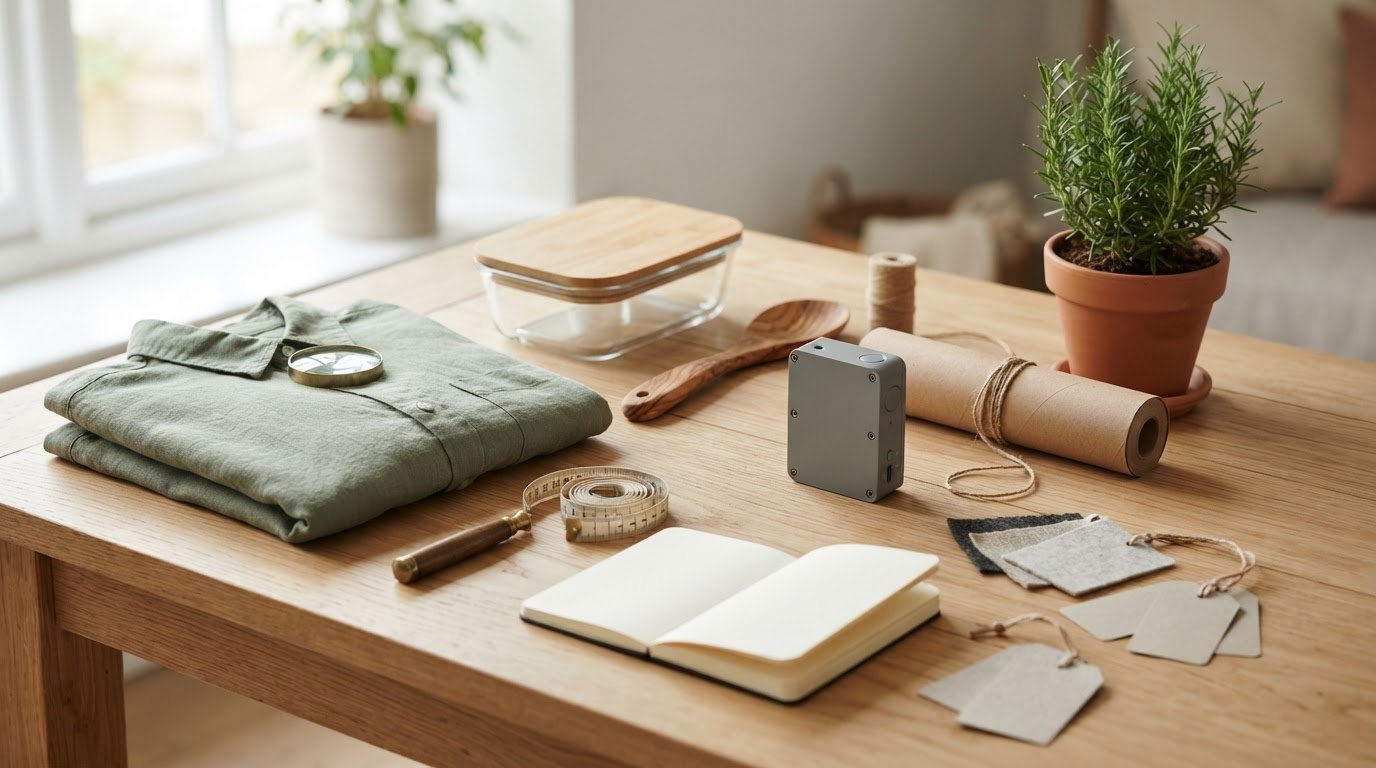
What if a product’s “eco” label tells you less than its materials, lifespan and the seller’s evidence? If you’re looking for Eco Friendly Shopping: Sustainable Picks on Anglia Market, it makes sense to want clearer information without assuming every item is a better choice. Broad claims can be difficult to compare, especially when you’re browsing different categories.
Anglia Market is a UK-focused marketplace with products across categories such as Home & Garden, Fashion, and Electronics & Media. The practical next step is to assess each listing on its own merits. This guide explains how to check product descriptions and environmental claims, compare like-for-like options, and decide whether the information provided is enough for your needs. Where a seller includes details about materials, care, durability, repair or packaging, you can use them to make a more informed comparison. The aim is a considered purchase based on available evidence, not a blanket promise that a product or the marketplace is sustainable.
Key Takeaways
- Broad terms such as “green” don’t explain a product’s materials, expected use or environmental impact.
- Check what a claim refers to, look for relevant listing details, then compare alternatives that meet the same need.
- Eco Friendly Shopping: Sustainable Picks on Anglia Market means looking for evidence in individual listings, not assuming marketplace-wide certification.
- Browse Home & Garden, Electronics & Media, Pets and Health & Beauty for relevant options, and check current product information before you decide.
Eco friendly shopping: what makes a product a more considered choice?
There’s no single label that can tell you whether one product is a more considered choice than another. Environmental impact depends on the specific item and the information available about it. A broad word such as “green” doesn’t tell you what the product is made from, how it should be cared for or how long it may last.
Vague environmental language can make comparisons harder. Greenwashing is a deceptive marketing practice that can give an impression of environmental benefit without clear support. Treat a general claim as a reason to look for details, not as proof that a product is environmentally superior.
Considered shopping means checking relevant product information and weighing it against your needs before deciding. For Eco Friendly Shopping: Sustainable Picks on Anglia Market, assess each seller’s listing individually rather than assuming a whole category or marketplace is certified.
Which product details help you compare options?
Look for details that help you understand the product and how you’ll use and maintain it. Information varies by listing, so compare similar products and focus on the same points where possible.
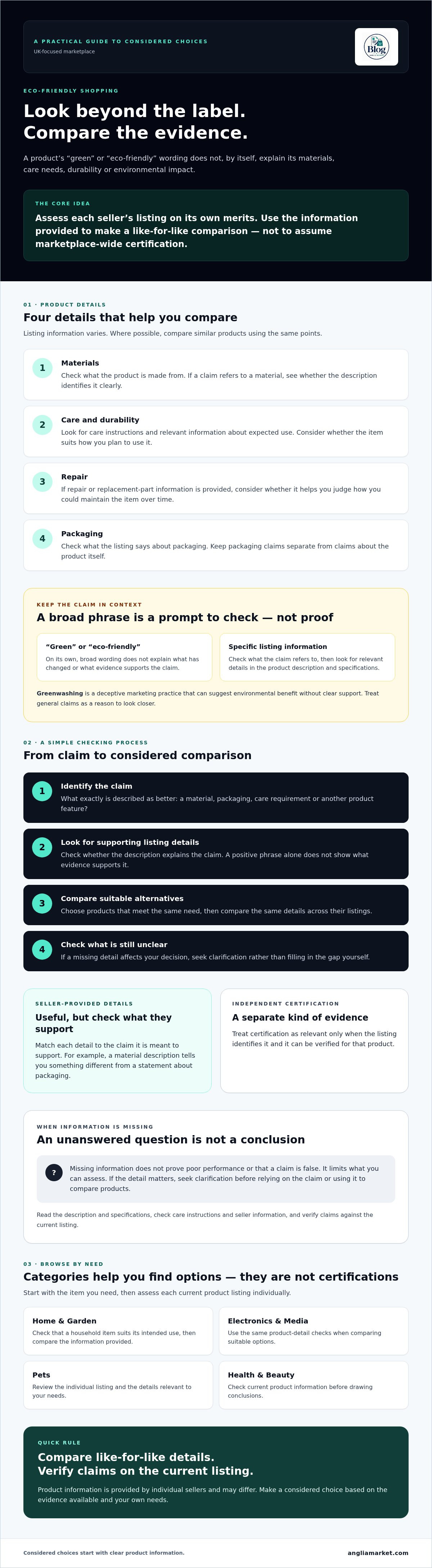
- Materials: Check what the product is made from. If a claim refers to a particular material, see whether the description identifies it clearly.
- Care and durability: Look for care instructions and any relevant information about the product’s expected use. Consider whether the item suits the way you plan to use it.
- Repair: If the seller provides information about repair or replacement parts, consider whether it helps you judge how you could maintain the item over time.
- Packaging: Check what the listing says about packaging, and keep that separate from claims about the product itself.
These are seller-provided details. An independent certification is different, and should only be treated as relevant when the listing identifies it and it can be verified for that product. If information is missing, that doesn’t prove poor performance. It means a question remains unanswered. Seek clarification before relying on the claim or using it to compare products.
How to assess sustainable shopping claims before you buy
Before relying on an environmental claim, check whether the wording tells you something specific about the item. A positive phrase on its own may not explain what has changed or what evidence supports it.
- Identify the claim. What exactly is described as better: a material, packaging, care requirement or another product feature?
- Look for supporting listing details. Check whether the description explains the claim. Broad phrases such as “eco-friendly” don’t show what evidence supports them.
- Compare suitable alternatives. Choose products that meet the same need, then compare the same details across their listings.
- Check what is still unclear. If a missing detail affects your decision, seek clarification rather than filling in the gap yourself.
Compare like-for-like product details, and verify claims on the current listing. This is a useful rule for Eco Friendly Shopping: Sustainable Picks on Anglia Market, where products are listed by individual sellers and the information provided may differ.
What to check in a product listing and what to do when details are missing
Read the description and specifications, then check any care instructions and seller information. Match each detail to the claim it is meant to support. A material description, for example, tells you something different from a statement about packaging. If a listing uses a broad claim without explaining it, don’t treat the wording as proof. Missing information doesn’t prove a claim false, but it limits what you can assess. If the detail matters to your decision, use an available marketplace channel to ask the seller for clarification before relying on the claim.
For household items, you can browse Home & Garden products and apply the same checks to each current listing. Use the category to find and compare options, not as a sustainability certification. Check that an item suits its intended use, then base your decision on the information provided.
Where to explore more considered picks on Anglia Market
Start with the item you need, then use category browsing to narrow your search. Anglia Market’s broad catalogue includes Home & Garden, Electronics & Media, Pets and Health & Beauty. These categories can help you find relevant products, but they aren’t collections of certified or guaranteed sustainable items. Listings and their details can change, so check the current product information before drawing conclusions.
For a household purchase, decide what the item needs to do and which product details matter to that use. When browsing another category, follow the same approach: compare similar items, check what each seller says about the product, and separate specific details from broad environmental language. Eco Friendly Shopping: Sustainable Picks on Anglia Market is about finding options that suit your needs and assessing the information available, not treating a category label as proof of environmental performance.
Browse by need, then compare the available product information
Category browsing makes it easier to discover products, while product-level checks help you make a considered choice. Select a relevant category, then compare current listings using the details that matter to your decision:
- Match products to the same need and intended use.
- Review the details each seller provides, such as materials, care guidance, repair information or packaging where available.
- Note what remains unclear, and seek clarification if that detail affects your choice.
Missing information doesn’t establish that a product is better or worse; it limits what you can compare. Decide whether the details provided are enough for you to make a choice. If you’re exploring household options, you can browse Home & Garden products and compare the current listings at your own pace.
Make your next purchase a considered one
A more considered choice starts with the product, not a broad environmental label. Check the current listing for specific details, compare similar options, and weigh the available information against your needs. If a claim is unclear or an important detail is missing, seek clarification rather than making assumptions.
Eco Friendly Shopping: Sustainable Picks on Anglia Market means browsing thoughtfully across categories, not treating every listing as sustainable. Anglia Market is a UK-focused marketplace where third-party sellers offer a broad, expanding range of products across multiple categories in one online destination.
Ready to explore? Browse Anglia Market’s range, compare the details on current listings and take your time choosing. Start with what you need, check the information that matters to you, and make a purchase that suits your requirements.
Frequently Asked Questions
What does eco friendly shopping mean?
Eco-friendly shopping means making more considered choices using relevant information about the products you buy. It doesn’t mean that any purchase has no environmental impact. Compare available details such as materials and care guidance to understand what’s being offered. Treat broad claims like “green” as a prompt to look for specific supporting evidence in the product listing before deciding.
How can I tell whether a product is genuinely sustainable?
No single broad claim can establish that a product is sustainable. Check the current listing for specific information and see what each environmental claim refers to, such as a material or packaging detail. Don’t assume a product is sustainable without evidence. If information that matters to your decision is missing, contact the seller for clarification before purchasing.
Can I find sustainable products on Anglia Market?
Anglia Market offers a broad product range across several categories, but the marketplace doesn’t certify products as sustainable. Eco Friendly Shopping: Sustainable Picks on Anglia Market means browsing relevant current listings and assessing each product’s description and supporting details. Product information varies by seller, so check the details for the particular item you’re considering rather than assuming a category guarantees environmental benefits.
What should I check before buying a product marketed as eco friendly?
Check the precise claim, the product information and any supporting details the seller provides. Compare similar options, looking at materials and care guidance where available. Missing details don’t prove a claim is false, but they can limit what you know. If an unanswered question affects your decision, ask the seller for clarification before you buy.

Here to help — ask anything
For questions about this disclaimer or the site, contact us via the website’s Contact page.
No posts found
Write a review