Building Customer Trust Online: A Guide for UK Sellers
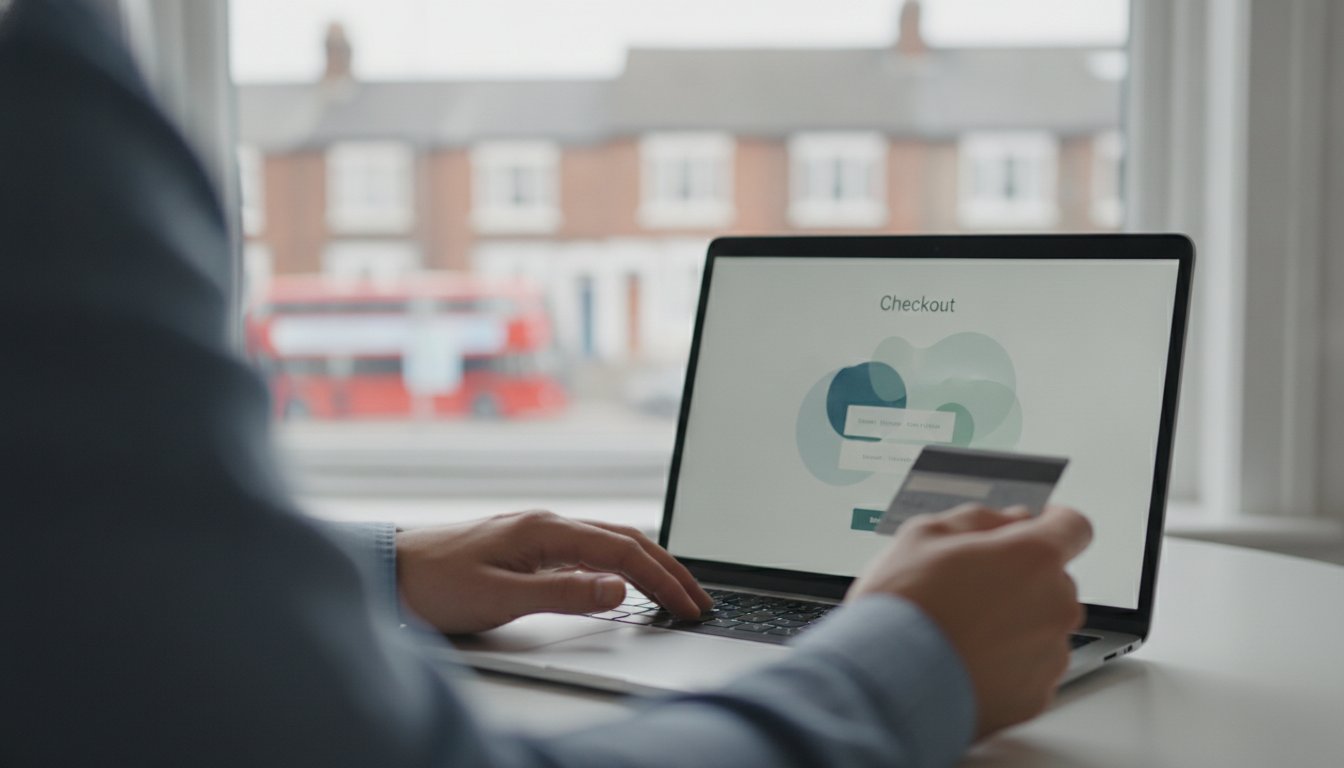
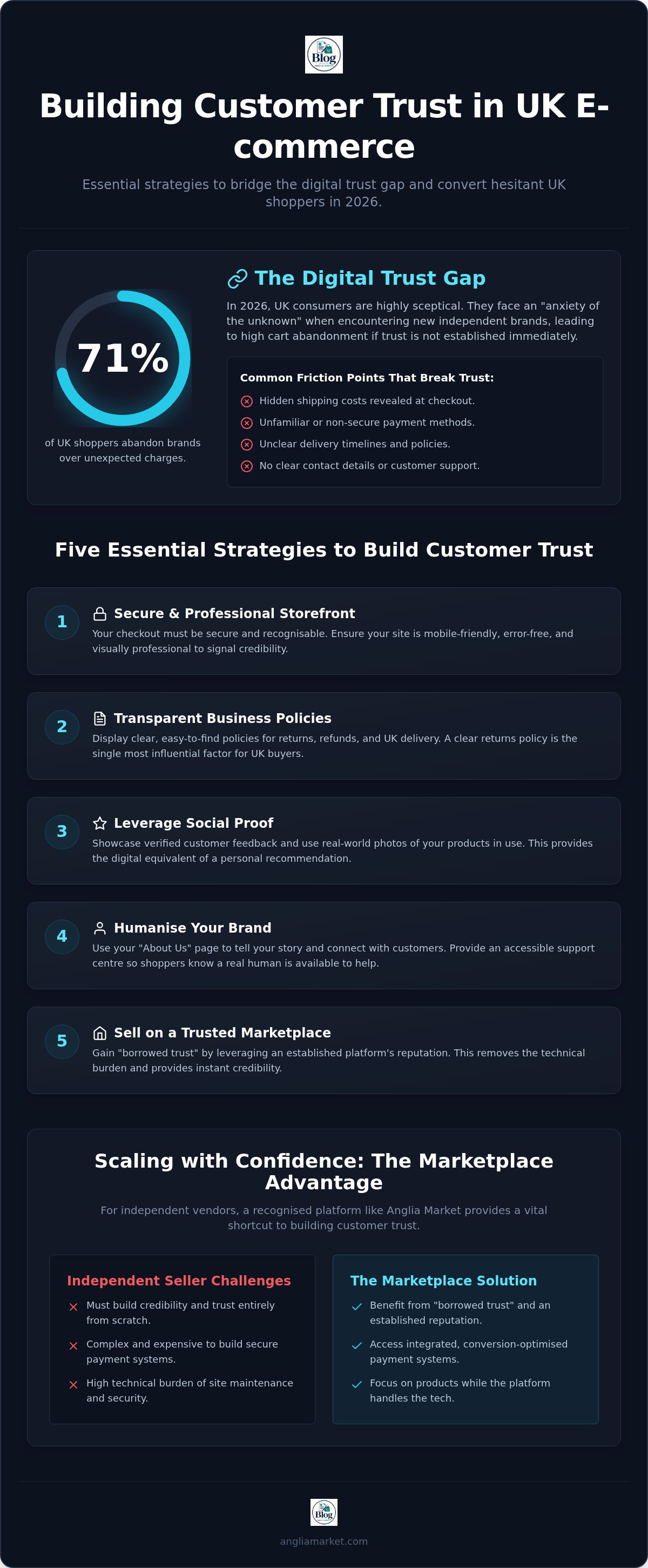
Did you know that 71% of UK shoppers will abandon a brand immediately after encountering an unexpected charge? In 2026, consumer scepticism is at an all-time high. Even a single "trust gap" can send your conversion rates plummeting. You're likely feeling the pressure of high cart abandonment and want to know how to build customer trust when selling online without a massive marketing budget. It's frustrating when quality products are ignored because shoppers don't recognise your name yet. This guide shows you how to bridge that gap and turn hesitant visitors into loyal customers. Discover the essential strategies to establish credibility and reduce shopper anxiety in the competitive UK e-commerce landscape. We'll explore the specific trust signals that matter most to British buyers, from clear returns policies to secure checkout journeys. Learn how a reliable marketplace like Anglia Market simplifies this process for independent sellers.
Key Takeaways
- Understand why UK shoppers in 2026 are increasingly sceptical and how to overcome the "anxiety of the unknown" associated with independent brands.
- Discover how to build customer trust when selling online by prioritising secure, recognisable checkout processes that protect sensitive financial data.
- Leverage verified customer feedback and high-quality, real-world photography to provide the social proof needed to reduce cart abandonment.
- Explore how selling on a professional marketplace provides "borrowed trust" and integrated security systems that help independent vendors scale with confidence.
The Digital Trust Gap: Why UK Shoppers Hesitate Online
UK shoppers often face an "anxiety of the unknown" when they land on a new store. In 2026, consumers are sharper than ever. They can spot a generic, drop-shipped site from a mile away. This scepticism makes it harder for independent brands to convert visitors. A major part of understanding trust signals involves showing you're a real, UK-based business. If you don't provide clear contact details and transparent origins, you lose the psychological safety net shoppers need. People want to know they can reach a human if something goes wrong.
The level of hesitation often depends on "perceived risk." A customer might buy pet supplies with little thought, but they'll spend hours researching before ordering furniture online. High-value transactions require extra reassurance. Knowing how to build customer trust when selling online means matching your level of transparency to the price tag of your products.
To better understand this concept, watch this helpful video:
Common Friction Points in the Online Purchase Journey
Trust is fragile. It breaks the moment a shopper sees hidden shipping costs at checkout. Research shows 71% of UK consumers report losing trust after an unexpected bank charge. You can counter this by being vocal about your timelines. Shoppers want to know exactly when their parcel will arrive, especially for time-sensitive gifts or household essentials. Using customer testimonials helps validate your reliability through the eyes of others. It's the digital equivalent of a personal recommendation. If your checkout lacks recognisable payment methods, expect high bounce rates. UK buyers want familiar, secure systems that protect their data. Learning how to build customer trust when selling online starts with removing these basic hurdles.
Five Essential Strategies to Build Customer Trust When Selling Online
Building a professional storefront is the first step in learning how to build customer trust when selling online. Start with your checkout. It must be secure and recognisable. With the 2026 FCA regulations for Buy Now, Pay Later (BNPL) providers now in full force, shoppers expect clear pre-contract information and affordability checks. If your payment process feels clunky or unfamiliar, they'll leave.
Visual professionalism matters too. Ensure your website is responsive and free from spelling errors. A site that works perfectly on mobile signals that you're a serious business. You should also display clear, easy-to-find policies for returns, refunds, and UK delivery. Since a clear returns policy is now the most influential factor for UK shoppers, keeping this information accessible is vital.
Leveraging Social Proof and Transparent Business Policies
Social proof is the psychological phenomenon where people mirror the positive actions of others. You can harness this by showcasing verified customer feedback and real-world photos. Don't just use stock images; show your products in UK homes. Your "About Us" page is another tool to humanise your brand and explain how to build customer trust when selling online through transparency. Tell your story to connect with the national audience.
Transparency extends to your customer service. An accessible support centre is essential for handling pre-purchase enquiries. When shoppers can't find a human to help, trust evaporates. If you're ready to grow, you can sell online through a platform that handles these technical trust signals for you. This allows you to focus on your products whilst the marketplace manages the secure purchase journey.
Scaling with Confidence: Why a Trusted Marketplace Matters
For independent vendors, starting from scratch is difficult. Selling on a recognised platform like Anglia Market provides "borrowed trust." You benefit from an established reputation for security and reliability. This is a vital shortcut when learning how to build customer trust when selling online. You don't need to spend months proving your legitimacy; the platform's existing authority does the heavy lifting for you.
The technical burden is also removed. You get integrated security and payment systems that are already optimised for conversion. Building these from the ground up is expensive and complex. By using a marketplace, you ensure your customers experience a professional, safe transaction every time. It's a smart way to master how to build customer trust when selling online without the overhead of custom web development. If you're looking to scale, you should join the marketplace today.
The Anglia Market Advantage for Independent UK Sellers
Professional presentation is key to credibility. The platform organises diverse categories, from electronics to home goods, ensuring your products look their best. This structure helps shoppers find what they need whilst feeling confident in the quality of the vendors. Marketplace-wide promotions also help smaller brands build awareness without a huge ad spend. Finally, a customer-focused delivery service completes the trust journey. When a parcel arrives on time and as described, it cements the relationship. This reliable fulfilment is why UK shoppers return to independent sellers within our community.
Take Command of Your Digital Reputation
Establishing credibility in the 2026 e-commerce market requires more than just a functional website. It demands radical transparency regarding your delivery timelines and the proactive use of social proof to reassure sceptical shoppers. You've learned how to build customer trust when selling online by prioritising secure checkouts and humanising your brand through clear contact information. For many independent UK sellers, the most efficient path to growth is leveraging a platform that already commands respect. Anglia Market provides the secure marketplace infrastructure and UK-based support you need to thrive. By joining a community dedicated to supporting independent SMEs, you can focus on your products whilst we handle the technical trust signals. It's time to turn your digital storefront into a destination people rely on. Start selling on Anglia Market and build your UK customer base today. Your journey towards long-term customer loyalty starts with a single, secure step.
Frequently Asked Questions
How do I build customer trust if I am a new online seller?
Start with radical transparency. Provide clear business origins and UK-focused contact information. New sellers must focus on how to build customer trust when selling online by displaying easy-to-find returns and delivery policies. Use high-quality, real-world photos of your products rather than generic stock images. This humanises your brand and reduces the perceived risk for first-time buyers who don't know you yet.
What are the most important trust signals for an e-commerce website?
Security and social proof are the top priorities. A secure checkout process and recognisable payment methods are essential for protecting sensitive financial data. Verified customer feedback and testimonials act as powerful validation for your reliability. Other key signals include modern, responsive web design and clear timelines for UK delivery. These elements work together to lower bounce rates and encourage repeat purchases from sceptical shoppers.
Can selling on a marketplace help improve my brand’s credibility?
Yes, it provides "borrowed trust" from an established platform. When you list products on a recognised marketplace like Anglia Market, you benefit from their secure infrastructure and existing reputation. This is a practical way to learn how to build customer trust when selling online without building every system yourself. Shoppers feel more confident purchasing from independent SMEs when the transaction is facilitated by a trusted name.
How much does it cost to implement professional trust features?
Costs vary depending on your chosen approach. Building custom secure checkouts and integrated support centres can require a significant investment in web development. However, joining an established UK marketplace often includes these professional features as part of the platform's commission or fee structure. This allows smaller businesses to access high-level security and dependable fulfilment systems without the high upfront costs of bespoke software or external certifications.

Here to help — ask anything
For questions about this disclaimer or the site, contact us via the website’s Contact page.
No posts found
Write a review